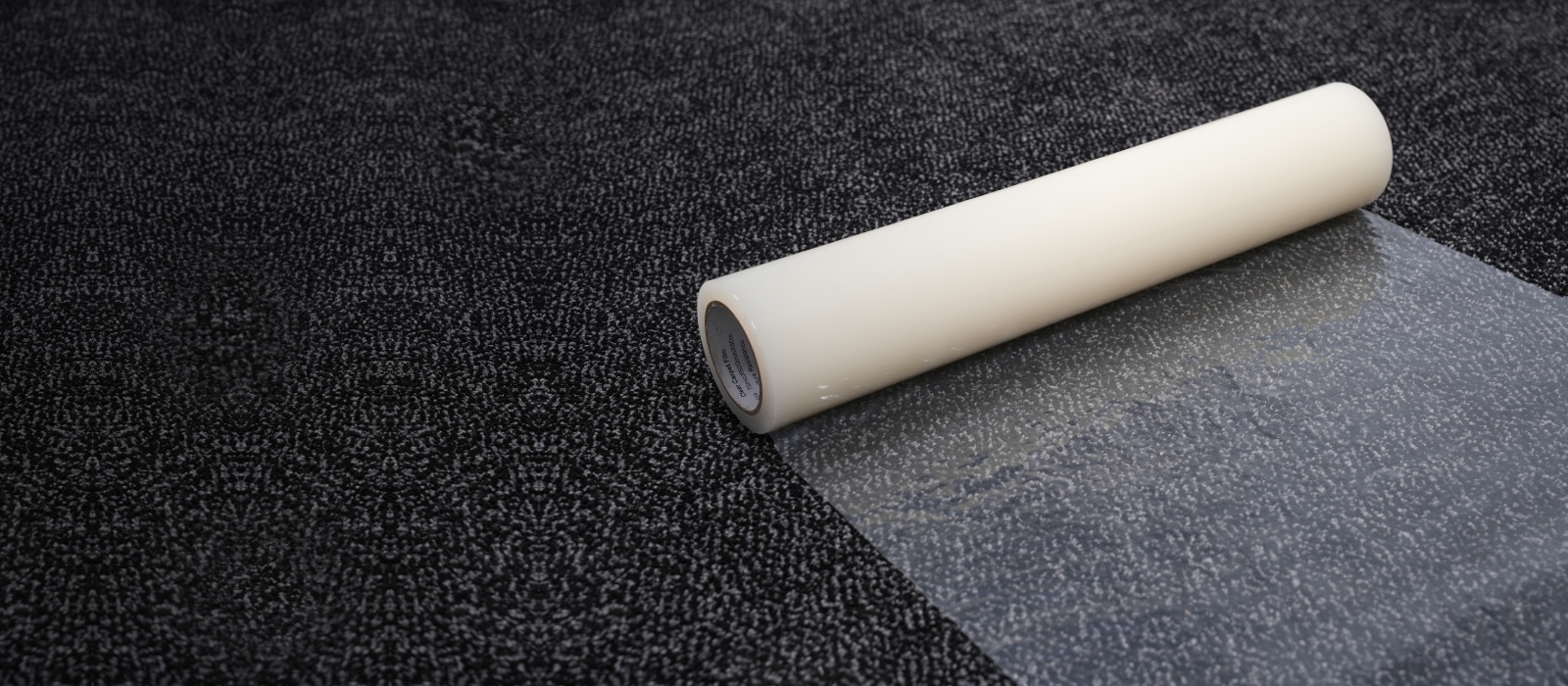

Snagging lists are the final hurdle of any construction project—and they’re often the most frustrating. That long list of outstanding items that appears just when you thought you were finished. Client frustration rises, handover delays extend, and what should be a quick sign-off becomes weeks of costly rework.
The painful truth? A significant portion of snagging items are preventable.
Many involve damage that occurred during construction: marked walls, scuffed skirting boards, paint spills on floors, scratched fixtures, and protection marks on surfaces. These aren’t design flaws or structural issues—they’re damage that could have been avoided with proper surface protection from day one.
This is where the right approach to surface protection becomes crucial. It’s not just about protecting your materials; it’s about protecting your project timeline, your budget, and your client relationship.
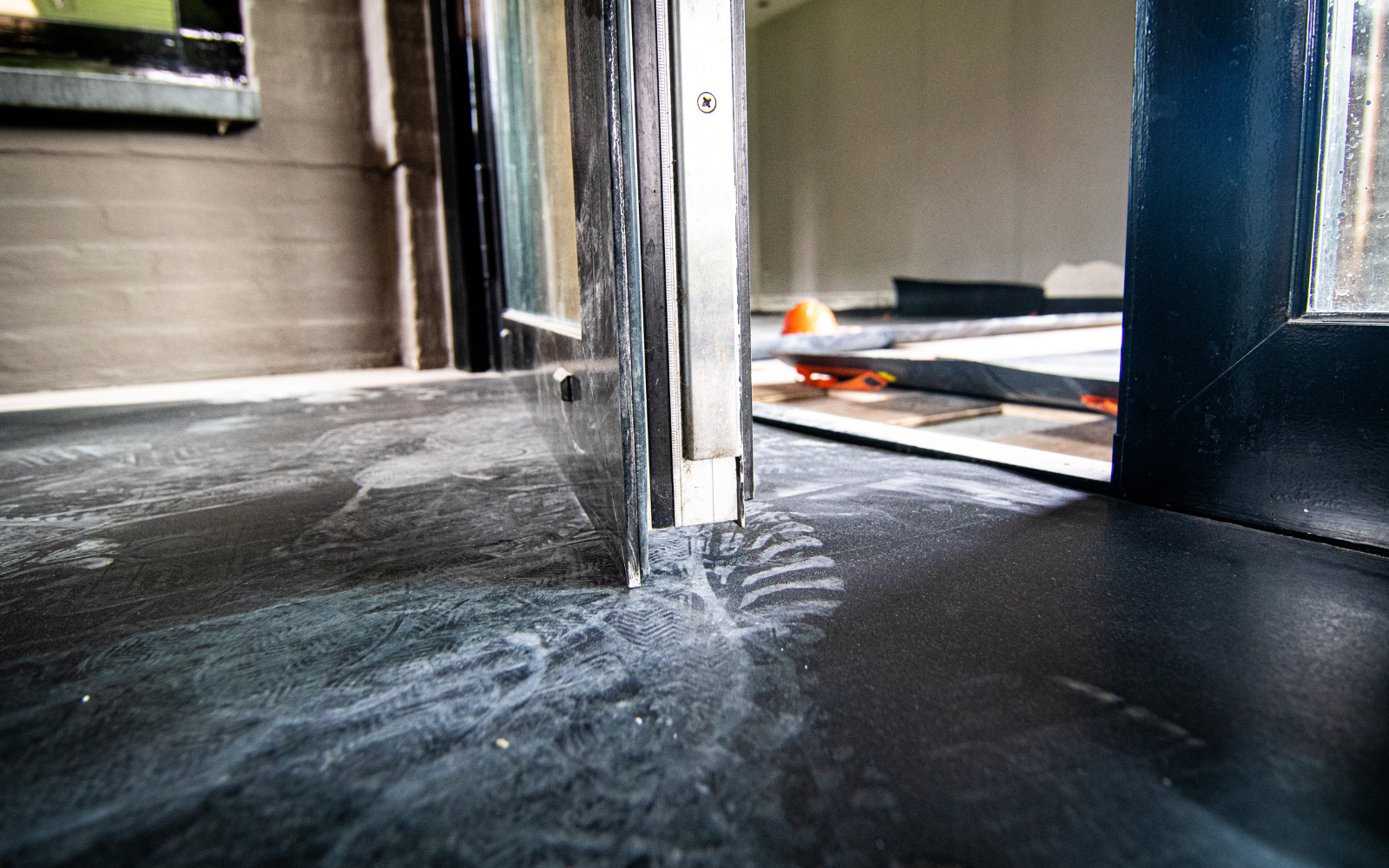
Why Snagging Lists Hurt Your Bottom Line
Before diving into solutions, let’s acknowledge the cost of snagging. Each item on a snagging list means:
- Project delays – Your team returns to fix issues instead of moving to the next job
- Rework costs – Touching up paint, repairing marks, replacing damaged surfaces
- Labour inefficiency – Workers stop productive tasks to address minor damage
- Client dissatisfaction – Defects discovered at handover damage professional reputation
- Cash flow impact – Retentions held until every item is resolved
Extended snagging-related delays can cost contractors £3,000-£8,000 per month in project overruns—money that simply evaporates when protection-related items dominate your list. When you consider that many of these snags are completely preventable, the case for proper surface protection becomes economically compelling.
Common Snagging Items Caused by Poor Protection
Walk into any project nearing handover, and you’ll spot the same protection-related problems:
Damaged Flooring – Foot traffic, dropped tools, and material movement create scuffs, scratches, and impact marks on new flooring. Vinyl, timber, and polished concrete are particularly vulnerable during construction phases when site conditions are at their messiest.
Marked Walls – Paint gets splashed, equipment gets wheeled past fresh plasterboard, and protective guards leave their own marks. Once these marks appear on a fresh paint finish, they stand out glaringly at handover.
Scratched Door Frames & Architrave – These high-touch areas are constantly brushed by equipment, materials, and personnel. A single gouge becomes a listed item.
Damaged Fixtures – Taps, handles, light switches, and grab rails all get scuffed during site activity. Their proximity to work zones makes them vulnerable.
Paint Spills & Splashes – Even with drop cloths, paint inevitably reaches surfaces it shouldn’t. Removing dried paint without damaging the underlying surface is time-consuming and often requires specialist intervention.
Protect Marks – The protective coverings themselves sometimes leave marks, adhesive residue, or imprints on surfaces they were meant to shield.
The common thread? Lack of comprehensive surface protection during construction.
How Proper Surface Protection Reduces Snagging
Strategic surface protection works like insurance for your finished surfaces. It prevents damage before it happens, eliminating entire categories of snagging items.
Complete Coverage – Comprehensive protection means nothing gets overlooked. When every vulnerable surface is protected from the start, you eliminate the gaps where damage occurs.
Robust Materials – Quality protection is designed to withstand the rigours of active construction. It stays in place, doesn’t tear easily, and doesn’t leave marks or residue.
Damage Accountability – With protection in place, any surface damage becomes immediately obvious and can be addressed in-context, rather than discovered later during snagging walks.
Timeline Savings – By preventing damage rather than repairing it, your team avoids costly rework cycles, keeping projects on schedule and budgets under control.
Best Practices for Site Protection
Protect Early – Begin protection before trades begin intensive work. Don’t wait until damage is visible; get ahead of it.
Specify Materials by Surface Type – Different surfaces need different protection. Timber requires breathable protection; hard floors need impact resistance; walls need marking prevention.
Maintain Protection – Torn coverings stop working. Regular checks ensure protection remains intact throughout the project.
Plan Removal Timing – Protect intelligently so removal doesn’t happen until the final stages, keeping surfaces safe until handover.
Create a Protection Schedule – Coordinate protection with the construction timeline so vulnerable surfaces are covered during high-risk periods.
Use Specialist Products – Generic dust sheets aren’t always sufficient. Masonite boards, protective films, corner guards, and edge protection each serve specific purposes.
Reducing Snagging with Rhino Trade Surface Protection
Rhino Trade specialises in solutions designed for this exact challenge. Our comprehensive range includes:
- Floor Protection – Heavy-duty boards and films that prevent scuffs and impact damage on all floor types
- Wall & Surface Protection – Protective films and corner guards that shield from marks and impacts
- Stair & Edge Protection – Specialised guards for high-traffic areas most vulnerable to damage
- Paint & Splatter Protection – Tailored solutions to contain spills and prevent splatter damage
- Removal-Friendly Coverings – Products designed to protect without leaving marks or residue
Our products are built for UK construction realities: active sites, variable conditions, and tight timelines. They’re chosen by contractors and site managers who’ve learned that prevention is far cheaper than remediation.
The Real ROI of Surface Protection
Prevention always outperforms cure. By investing in proper surface protection, you’re not adding cost—you’re eliminating it. The £500-1,000 invested in comprehensive protection prevents snagging items that cost 5-10 times that in rework, delay, and frustration.
More importantly, you’re protecting something that can’t be measured on a spreadsheet: client confidence. Projects that hit handover without surprise snags build reputations. Contractors known for defect-free handovers win more work.
Start with protection. End without snagging. It’s that simple.
Ready to reduce your snagging lists on your next project? Contact Rhino Trade to discuss surface protection solutions tailored to your site requirements. Our team understands construction, understands damage, and understands how to prevent it.
