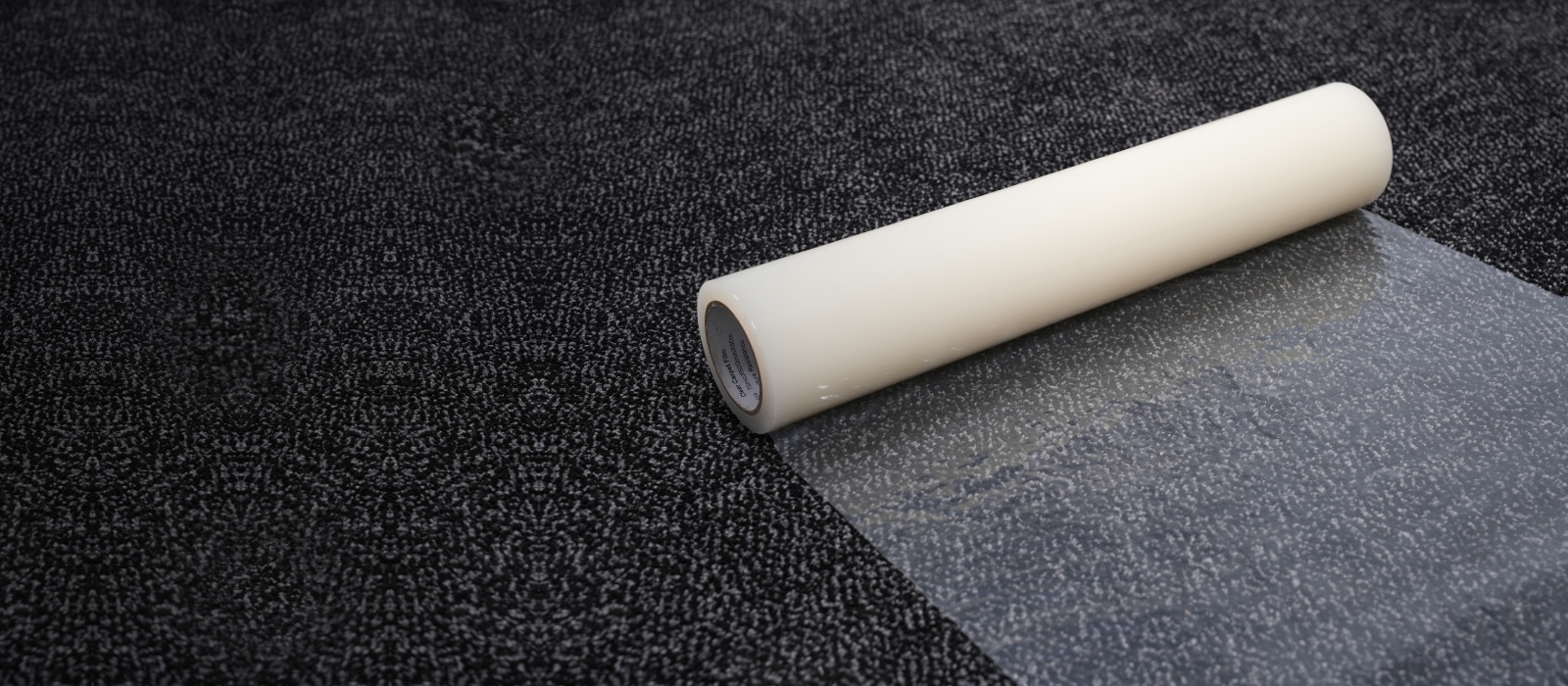

Construction sites are chaotic by nature. Multiple trades, heavy machinery, materials arriving daily, and tight deadlines create an environment where surfaces- particularly floors – take a beating. Yet many contractors still overlook floor protection as a non-essential cost, only to face expensive remediation work once damage occurs. The reality is stark: proper floor protection during construction isn’t a luxury; it’s a necessity that protects your profit margins, your timeline, and your reputation.
At Rhino Trade, we’ve worked with hundreds of UK construction teams who’ve learned this lesson the hard way. Here are the five compelling reasons why floor protection must be a priority on every construction site.
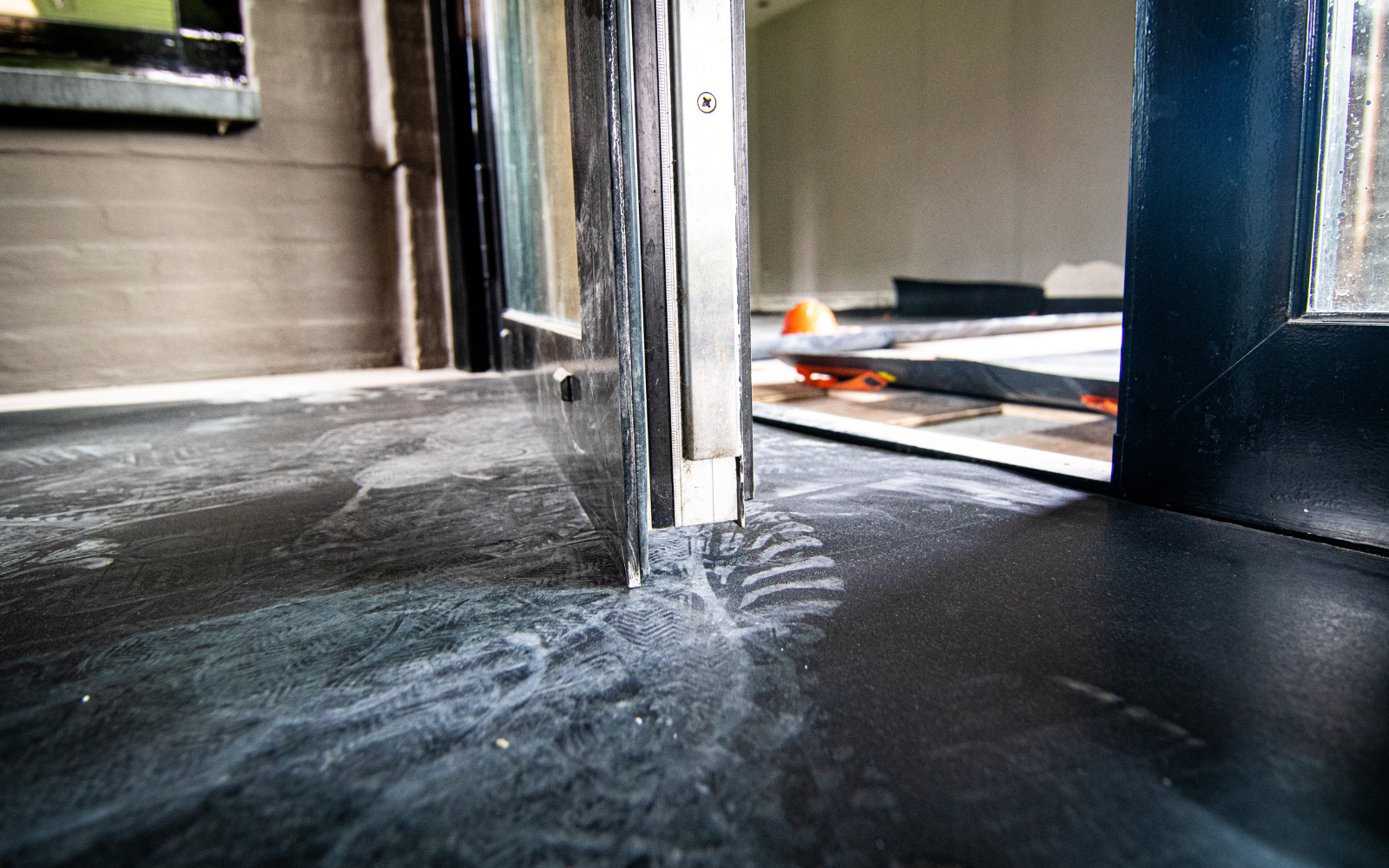
1. Avoid Catastrophically Expensive Flooring Repairs
Concrete scratches. Polished surfaces chip. Wooden subfloors get gouged. Once damage occurs, fixing it costs a fortune.
Consider this scenario: A new office building is nearing completion. A final electrical crew wheels a heavy cable drum across the freshly laid luxury vinyl floor. One deep gouge. The flooring contractor needs to replace an entire section—£3,000 in materials and labour, plus a two-day delay to the handover. This damage could have been prevented entirely with RhinoFloor Guard or RhinoGuard Prime installed during the fit-out phase.
Damage costs compound quickly. A single scratch becomes a snagging item. Multiple scratches become negotiating points between you and the client. Flooring repair invoices escalate—£500 per square metre for premium surfaces like polished concrete or natural stone isn’t uncommon. When you’re working on a 5,000 square metre commercial build, that’s potentially £2.5 million in exposed flooring. Even a modest 0.5% damage rate translates to £12,500 in unexpected repair costs.
Quality floor protection products like RhinoGuard Prime create a physical barrier between your trades and finished surfaces, eliminating these costs entirely.
2. Protect Against Water Damage and Staining
Construction sites involve water. Plumbing installations, pressure washing, concrete curing, and even weather mean moisture is constantly present. Without proper floor protection, water damage and staining can be devastating—particularly on absorbent surfaces like unsealed concrete, wood, or natural stone.
Water ingress causes permanent staining on porous surfaces. Concrete can absorb water and develop tide marks that are impossible to remove. Wooden subfloors can swell and warp, requiring replacement sections. Marble and limestone can develop permanent water spots and etching.
RhinoBreathable Guard is specifically designed to manage this risk. It protects surfaces while allowing moisture vapour to pass through, preventing trapped moisture that can cause mould and degradation. On a recent office renovation in London, a contractor using RhinoBreathable Guard discovered a significant water leak on day 10 of a 60-day project. Because the flooring was protected, no water damage occurred, avoiding what would have been a costly subfloor replacement.
3. Eliminate Client Complaints and Snagging Issues
Finished buildings are inspected forensically. Clients walk through with lists, documenting every mark, scratch, and discolouration. Flooring damage inevitably appears on the snagging list—and unlike other defects, flooring issues are immediately visible and obvious.
Snagging items damage client relationships. They create perception that the work was rushed or sloppy. They delay final payment. They generate warranty claims. On a typical commercial project, each snagging item costs £200-£500 in labour to address, plus the cost of rework materials.
More significantly, floor damage creates negotiating leverage for clients. We’ve seen clients withhold final payment percentages (often 5-10% of contract value) citing flooring damage and other defects. On a £2 million project, that’s £100,000-£200,000 in delayed or reduced payment.
Installing appropriate floor protection—whether RhinoCarpet Guard for carpeted areas or RhinoGlass Shield for glazed surfaces—eliminates this problem. You hand over immaculate flooring. You get paid. You move to the next project.
4. Keep Your Project Timeline on Track
Construction delays are expensive. Idle labour, extended site supervision, delayed subcontractor bookings, and extended utility costs add up rapidly. Flooring damage often causes project delays at the worst possible moment—during final stages when momentum matters most.
Here’s the timeline impact: Flooring damage is discovered during pre-handover inspection. The flooring contractor is called back (they’re now 3 weeks into another job). There’s a 1-2 week gap before they can return. They spend 3-5 days assessing and repairing. Your project handover slips by 2-3 weeks.
For a typical commercial build with daily on-site costs of £2,000 (supervision, utilities, insurance), a three-week delay costs £30,000 in direct project overhead alone. When you factor in opportunity cost—the contract value you could have started on—the true cost of delayed handover is substantially higher.
Floor protection products prevent this entirely. Products like RhinoStandard provide robust protection at competitive cost, keeping flooring pristine and handovers on schedule. The investment in floor protection typically pays for itself in avoided delays alone.
5. Maintain Professional Reputation and Win Future Work
Construction is built on reputation. Site managers, building managers, and architects remember which contractors deliver clean, damage-free handovers and which ones arrive with flooring repair invoices. Word travels quickly in UK construction circles.
Contractors with consistent, clean handovers win repeat business. Architects specify them on future projects. Building managers recommend them. Reputation becomes your competitive advantage.
Conversely, contractors who repeatedly hand over properties with flooring damage develop a reputation for poor site management. Architects avoid specifying them. Clients negotiate harder, knowing damage is likely. Word-of-mouth marketing works against you.
Implementing floor protection demonstrates professionalism and site discipline. It signals to clients and architects that you take quality seriously. On a portfolio of projects, this reputation advantage translates to higher margins, larger contracts, and repeat business that wouldn’t otherwise exist.
The Floor Protection Investment Decision
The case for floor protection is straightforward: it costs far less to prevent damage than to repair it. A typical 5,000 square metre commercial project might invest £5,000-£8,000 in comprehensive floor protection. Compare that to a single major flooring damage scenario (£10,000-£15,000+), a delayed handover (£30,000+), and the reputation cost of poor quality delivery.
At Rhino Trade, we work with contractors across the UK who’ve made floor protection standard practice—using products like RhinoGuard Prime for heavy-traffic areas or RhinoBreathable Guard when moisture management matters.
The question isn’t whether you can afford floor protection. It’s whether you can afford not to use it.
