
Every year, construction projects across the UK lose thousands of pounds to damage that could have been prevented with simple, affordable precautions. Not structural failures or unforeseen complications—just avoidable damage from rushed schedules, inadequate protection, and underestimated risk.
The problem isn’t incompetence. It’s cost-cutting decisions made early in projects that create expensive problems later. This article breaks down why construction sites leak money through preventable damage and why the real financial solution is investing in protection upfront.
The Hidden Cost of Construction Site Damage
Construction damage isn’t always dramatic. It’s the accumulated cost of dozens of small incidents that cascade into major repair bills:
Common Types of Avoidable Damage:
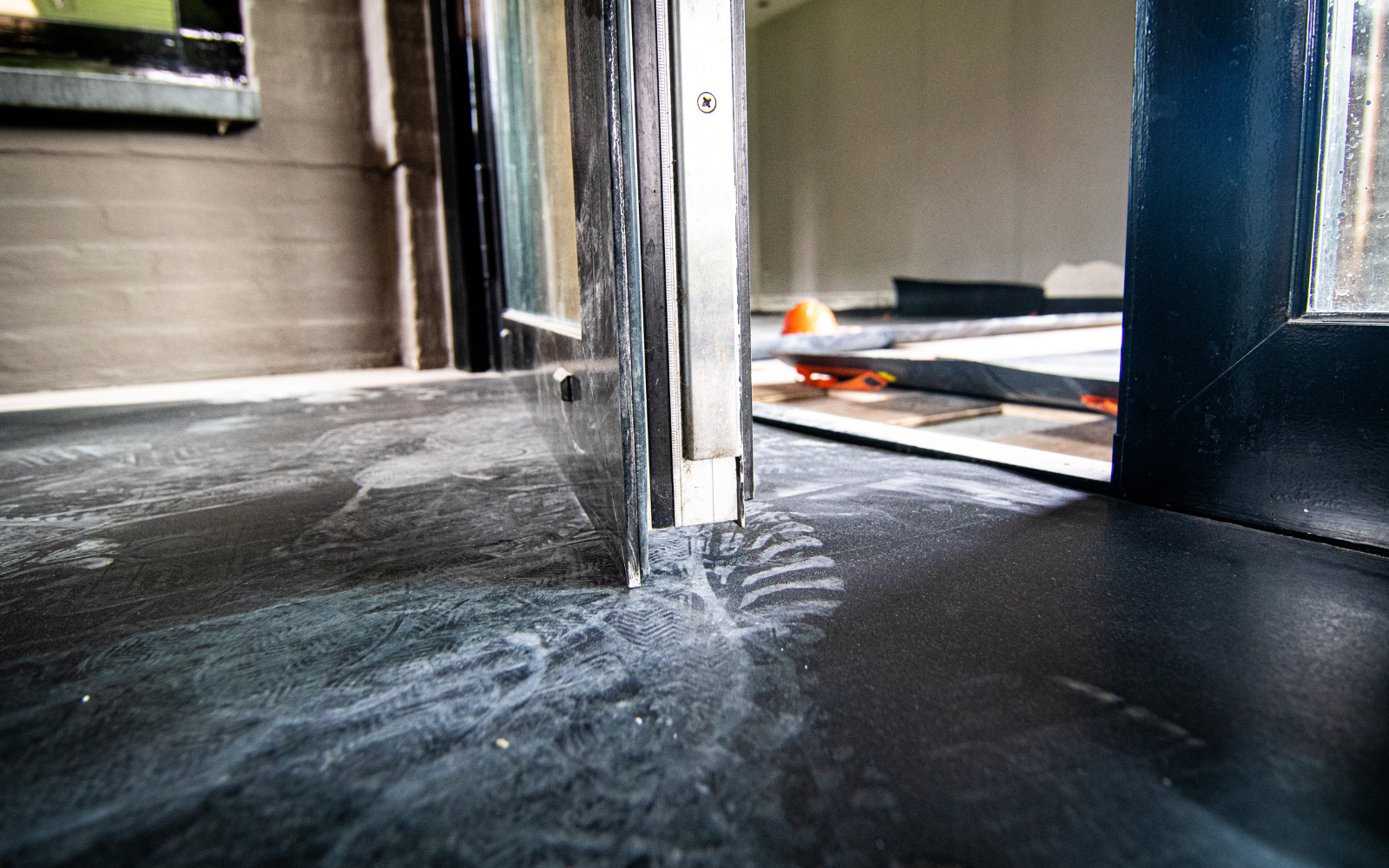
- Flooring damage: Scratched hardwood, scuffed laminate, cracked tiles from dropped tools or equipment wheels (£2,000–£8,000 to replace affected areas)
- Paint and wall damage: Spilled paint, scuffed walls from ladder placement, equipment marks (£1,500–£5,000 per room in finishes)
- Heavy equipment marks: Forklift and machinery impressions on concrete or newly laid surfaces (£3,000–£12,000+ depending on area)
- Door and frame damage: Chipped frames, damaged hardware from rough handling during construction (£800–£3,000 per room)
- Window and glass damage: Accidental breakage, scratches from tool contact (£1,200–£4,000 per window replacement)
- Protective feature damage: Damaged plumbing, electrical fittings, or architectural details not properly protected (£2,000–£15,000+ depending on scope)
For a mid-sized commercial project—say, 10,000 m² office fit-out—unprotected sites commonly rack up £12,000–£45,000 in preventable damage costs. On larger projects or those with multiple damage incidents, these figures easily climb to £50,000+.
Why Does This Damage Happen?
Three factors dominate:
1. Schedule Pressure Tight timelines force crews to work in unfinished spaces. Trades overlap, materials stack in living areas, and temporary protection gets skipped to “save time.” In reality, schedule-driven cutting corners creates rework that extends timelines by weeks.
2. Cost Minimisation Without Strategy Budget-conscious site managers often skip protection planning, seeing it as an optional expense. This is false economy. A £500 floor protection system preventing £8,000 in damage represents a 1,600% return on investment—yet it gets cut first when budgets tighten.
3. Risk Underestimation Many project managers don’t fully account for the ripple cost of damage. They see £100 in protective materials as “wasteful spending” without calculating that a single major incident—one spilled paint, one dropped tool, one equipment mark—costs £2,000–£5,000 to repair.
The Real Numbers: Prevention vs. Repair Costs
Let’s use concrete examples from typical UK construction scenarios:
Scenario 1: Office Fit-Out (2,000 m² flooring)
- Cost to protect with temporary flooring: £800–£1,200
- Cost to repair/replace 5% of flooring due to damage: £6,000–£10,000
- ROI: 600–1,000%
Scenario 2: Residential Development (50-unit build)
- Cost for door frame protectors and wall guards: £600
- Cost to replace/refinish damaged frames and walls (typical): £4,000–£7,000
- ROI: 650–1,050%
Scenario 3: High-End Commercial Finish (glass, marble, bespoke details)
- Cost for comprehensive site protection: £2,000–£3,000
- Cost for single major incident repair (broken glass, marble damage, fixture replacement): £8,000–£20,000
- ROI: 400–900%
The pattern is clear: prevention costs 5–15% of potential damage costs but prevents most damage incidents.
The Solution: Strategic Site Protection
Effective construction damage prevention combines three elements:
Physical Barriers:
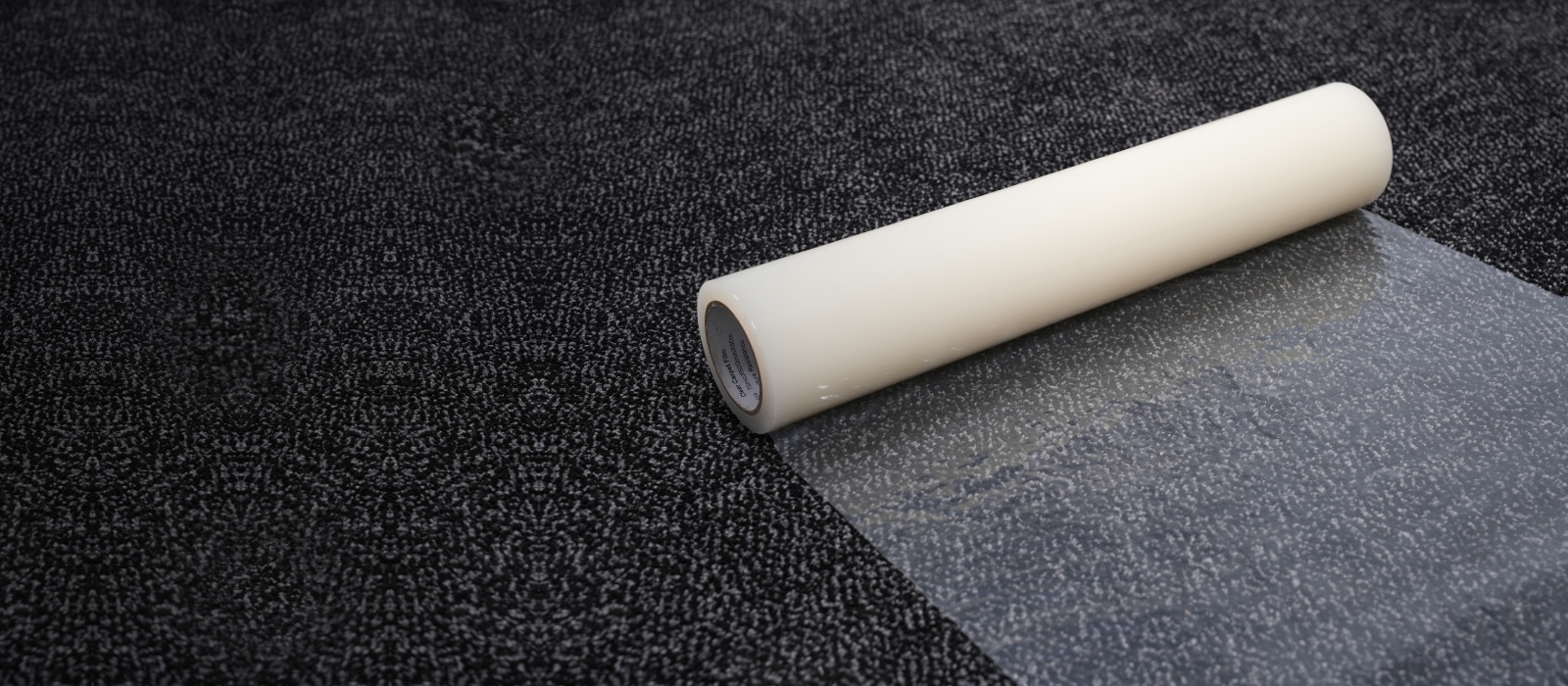
- Temporary flooring systems (plywood, hardboard, or purpose-built protection)
- Door and frame protection (card, plastic wrap, or magnetic shields)
- Wall corner guards and edge protection
- Equipment drop cloths and surface shields
Process Control:
- Dedicated material staging areas (preventing debris spread)
- Clear traffic routes (reducing contact with finished areas)
- Scheduled protection updates (maintaining coverage as work progresses)
- Damage inspection checkpoints (catching issues early)
Team Discipline:
- Clear site rules communicated to all trades
- Responsibility assignment for damage (creating accountability)
- Regular toolbox talks on protection protocols
- Quick-response repair procedures (preventing small damage from becoming big problems)
Why Prevention Pays in Three Phases
Phase 1: Reduced Rework (Weeks 1–6) Protected sites experience 60–70% fewer damage incidents. Your team spends less time documenting damage disputes and arranging repairs. Work flows faster.
Phase 2: Schedule Protection (Weeks 6+) When damage does occur on unprotected sites, repair schedules disrupt progress. Damage to finished areas forces trades to revisit completed work. Protection eliminates this schedule friction.
Phase 3: Defect Liability (Handover) Snagging lists shrink when sites are properly protected. Fewer damage-related defects mean faster handovers, reduced retention hold-ups, and cleaner client relations.
The Bottom Line
Construction site damage isn’t inevitable. It’s a choice between:
Option A: Invest £1,000–£3,000 in site protection and prevent £10,000–£40,000+ in damage costs.
Option B: Skip protection, experience preventable damage, and spend £15,000–£50,000+ on repairs while managing delays and client disputes.
The maths favour prevention overwhelmingly. Yet many sites still choose Option B—not because they don’t understand the logic, but because prevention costs are visible while damage costs feel like “bad luck.”
They’re not. They’re the result of a decision.
Start Here
Before your next project breaks ground, ask these questions:
- What surfaces are at highest risk? (Flooring, walls, specialised finishes?)
- Which trades create the most damage? (Heavy equipment operators, painters, electricians?)
- What protection systems have worked on past projects?
- Who owns accountability for protection maintenance?
A structured protection plan—designed before work begins—reduces avoidable damage by 70–80% on average. That’s not theoretical. That’s what sites with protection protocols actually achieve.
Your next project doesn’t have to be another £20,000 damage story. Make the investment. The ROI will defend itself in the first week.
