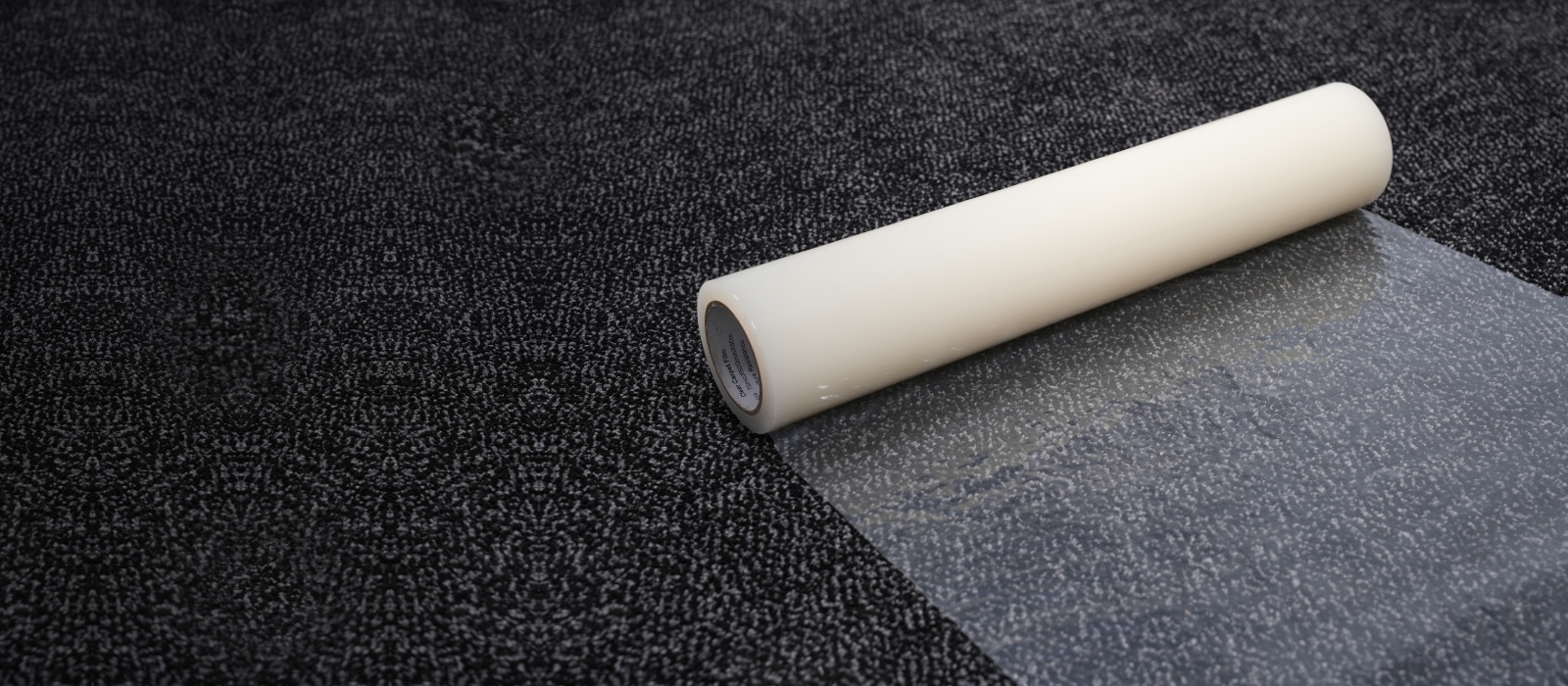

Floor protection is one of those construction decisions that seems straightforward until you’re actually on site. Choose the wrong product, and you’re looking at costly damage, project delays, and unhappy clients. Choose the right one, and you protect your investment whilst keeping your schedule on track.
Whether you’re managing a large commercial renovation, a domestic extension, or specialist flooring installation, the right floor protection makes all the difference. This guide walks you through the key factors that should inform your decision—and helps you select the product that’s right for your specific project.
Why Floor Protection Matters More Than You Think
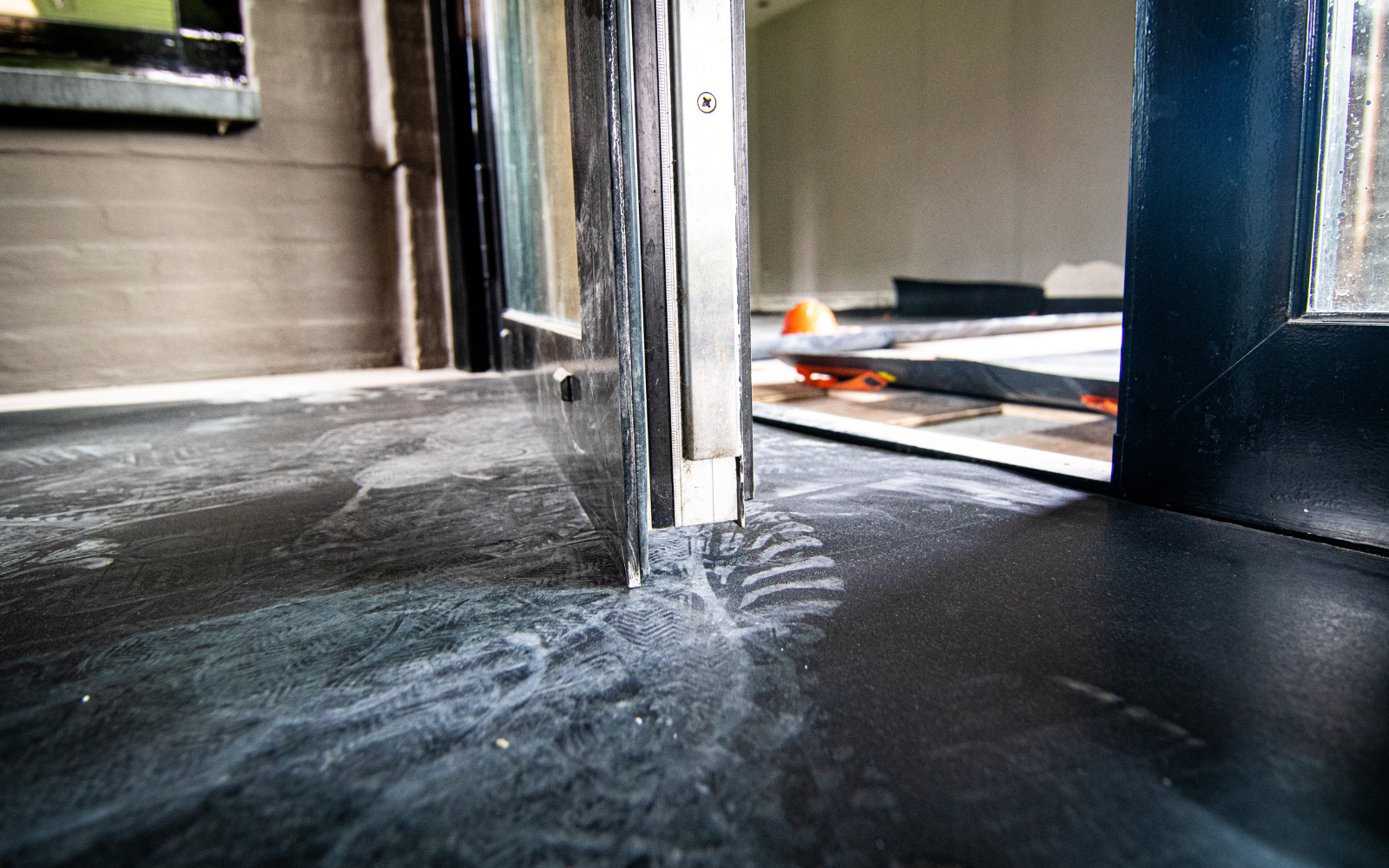
Construction sites are inherently harsh environments for finished floors. Between heavy foot traffic, equipment movement, material spills, and general wear and tear, even robust flooring can suffer significant damage before a project completes. That damage doesn’t just affect aesthetics—it creates liability issues, delays handover, and erodes your professional reputation.
The cost of replacing or repairing damaged flooring far exceeds the cost of temporary protection. Yet many projects still proceed without adequate protection, either through oversight or because the wrong product was selected.
Choosing the right floor protection is about managing risk systematically. It’s not just an afterthought—it’s a critical part of your project planning.
Five Key Factors to Consider
1. What Type of Flooring Are You Protecting?
Different flooring materials have different vulnerabilities. Carpet and soft flooring are easily stained and damaged by heavy traffic. Hard floors like laminate, vinyl, and wood are prone to scratches and moisture damage. Tile can chip if something heavy drops on it. Polished concrete or natural stone requires specialist care.
Understanding your floor type is the first step. A product that works brilliantly on carpet may not provide adequate protection for polished concrete. Some products excel at breathability (crucial for moisture management during construction), whilst others prioritise heavy-duty impact protection.
2. How Much Foot Traffic Will the Floor Experience?
Not all projects generate the same level of traffic. A domestic kitchen renovation with one or two tradespeople moving through is very different from a commercial office fit-out with multiple teams working simultaneously across floors.
Heavy foot traffic demands thicker, more durable protection. Light traffic allows for lighter solutions that still protect whilst being easier to install and remove. Mid-level traffic projects typically sit comfortably in the middle ground.
3. What’s Your Project Duration?
A one-week task has different requirements than a six-week project. Longer projects need protection that degrades gracefully and won’t cause adhesion problems if left down for extended periods. Shorter projects can use more aggressive adhesive formulations.
Project duration also affects moisture management—a temporary protection system covering a slab for eight weeks must handle moisture differently than one down for two weeks.
4. What Materials Will Be Moving Across the Floor?
Are you moving light hand tools, heavy machinery, or sharp implements? Will water, paint, or other liquids be present? Will the floor experience heat exposure?
Equipment wheels and sharp edges require impact-resistant protection. Water-based work demands moisture barriers. Chemical spills need resistance to specific substances. These considerations help you narrow down products designed for your specific conditions.
5. What’s Your Budget Constraint?
Floor protection comes at different price points, from basic budget options to premium heavy-duty solutions. Your budget isn’t a limitation—it’s a parameter that helps you find the right cost-benefit ratio for your project.
A domestic project may not justify premium protection costs, but a high-value commercial space absolutely does. The question isn’t “what’s cheapest”—it’s “what protection level justifies the investment for this project?”
Understanding Your Protection Options
Heavy-Duty Solutions: RhinoGuard Prime
When you need maximum protection, RhinoGuard Prime delivers. Available in 50m² and 30m² rolls, these are engineered for the toughest projects—high-traffic commercial environments, projects with heavy equipment, and spaces where failure isn’t an option.
Heavy-duty protection is your answer when foot traffic is intense, project duration is extended, or the flooring is particularly valuable. The cost per square metre is higher, but so is the assurance that your floors will survive the project intact.
Standard Protection: Rhino Standard
The workhorse of floor protection, Rhino Standard products handle the majority of construction projects effectively. Available in various sizes, they provide solid protection at a reasonable cost, balancing durability with value for money.
Standard protection suits most domestic, light-to-moderate commercial, and mixed-use projects. They’re reliable, straightforward to install, and perform well across different floor types.
Specialist Solutions for Specific Needs
Not every project fits the heavy-duty or standard categories. That’s why specialist products matter:
RhinoGlass Shield protects fragile glass and glazed surfaces during construction, preventing cracks and breakage from impact and debris.
RhinoCarpet Guard is specifically engineered for carpet—providing slip-resistant traction whilst preventing stains and damage from moisture and heavy use.
RhinoFloor Guard offers balanced protection across multiple floor types, with acoustic properties and comfortable underfoot feel.
RhinoBreathable Guard manages moisture actively, crucial for projects over concrete slabs or in humid environments where trapped moisture causes damage or adhesion problems.
RhinoFlame meets fire performance requirements for projects with specific safety regulations, particularly in commercial and public buildings.
RhinoXtra Tough is purpose-built for the most demanding environments—high-traffic retail, logistics, or industrial settings where standard heavy-duty protection might still fall short.
Your Quick Decision Framework
- Identify your floor type (carpet, hard floor, specialist). Choose a product range suited to that material.
- Assess traffic level (light, moderate, heavy). This determines whether you need standard or heavy-duty protection.
- Consider project duration (days, weeks, months). Longer projects may justify heavy-duty solutions; very short projects might manage with standard.
- Identify any specialist needs (moisture management, fire rating, acoustic properties). These point toward specialist product ranges.
- Match to your budget. Within your protection category, choose the size and type that balances protection quality with cost.
- Verify coverage. Calculate your square meterage carefully—undershooting coverage is a false economy.
Conclusion
Choosing the right floor protection isn’t complicated once you work through the key factors systematically. By understanding your floor type, project conditions, and specific requirements, you can make a confident decision that protects your investment without overspec’ing for your actual needs.
The right protection keeps floors pristine, keeps projects on schedule, and keeps your professional reputation intact. It’s one decision that always pays for itself.
